
11 February 2026
2026 trends in e-commerce logistics. The race for the fastest delivery time is heating up
2026 trends in e-commerce logistics. The race for the fastest delivery time is heating up
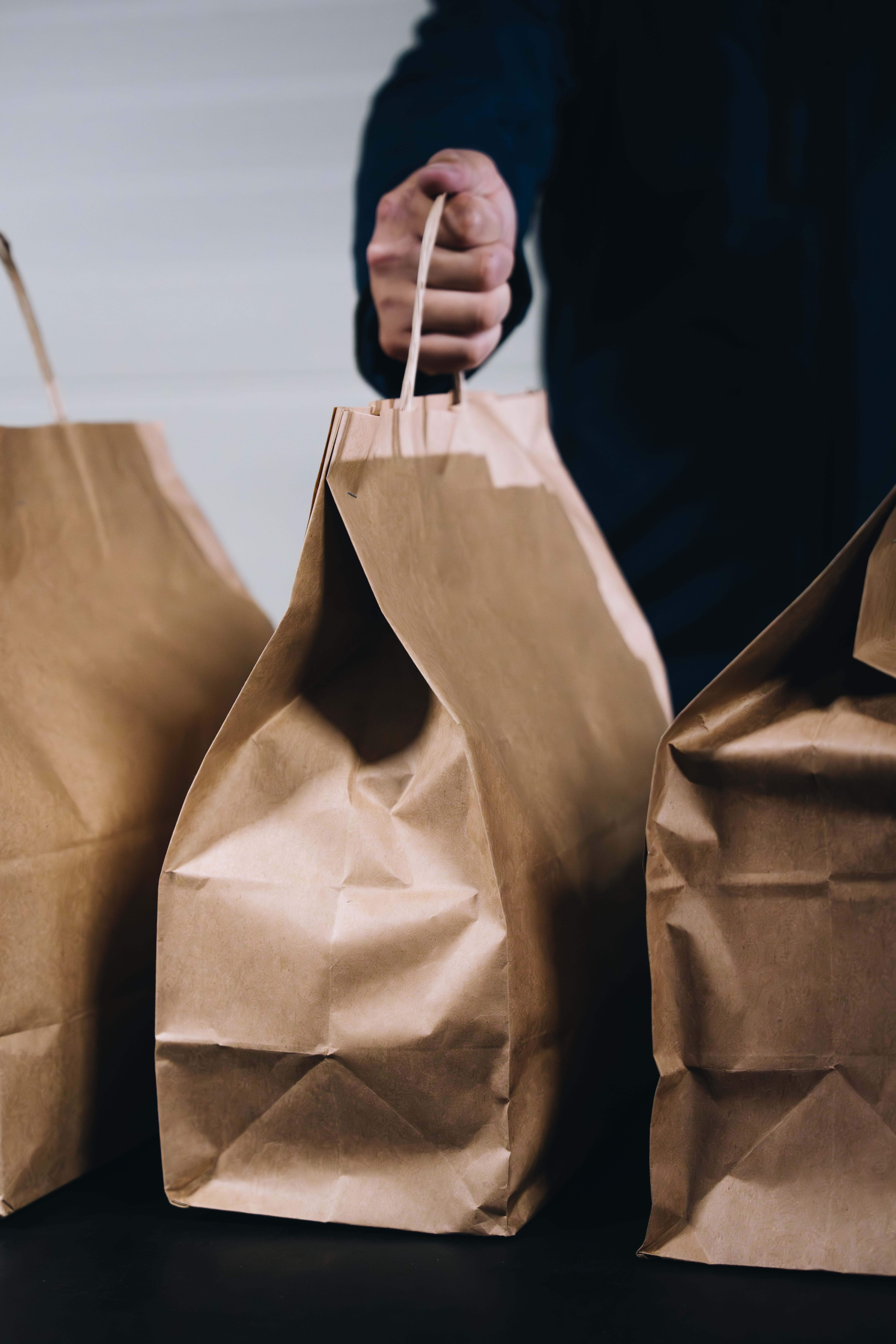
The e-commerce market in Poland is entering a stage in which the effectiveness of sales is increasingly determined by the method and timing of delivery, rather than the product price. By 2026, last-mile logistics is ceasing to serve solely an operational function and is becoming an element directly affecting conversion, customer retention and the cost of acquiring sales.
Time and the last mile - the real battleground in e-commerce
Data from the e-Chamber and Gemius show that delivery time and format have a significant impact on the decision to complete a transaction, and a lack of clear delivery conditions significantly increases the risk of cart abandonment.
It is at the delivery stage that the customer makes the final assessment of the coherence of the entire purchasing process and verifies the promises made at earlier stages of the shopping journey. Solutions that shorten the actual delivery time and eliminate the need for the customer's day to be adjusted to the courier's schedule are gaining increasing importance.
A well-designed last mile organises sales. When the customer knows when and how they will receive the order, one of the main barriers to purchase disappears - says Rafał Szcześniewski, Head of Sales at Goodspeed.
Expected delivery speed - the limits of the “next day” model
For several years now, e-commerce has been engaged in a race for the fastest possible delivery, especially among the biggest players. Shifting the cut-off time for order fulfilment by another 15 minutes is, however, a huge operational and cost challenge - often unattainable for medium-sized and smaller online shops.
- The problem is not the need for fast delivery itself - explains Rafał Szcześniewski, Head of Sales at Goodspeed. - For the customer, what matters much more is exactly when the parcel will arrive. “Next day” delivery can mean either early morning or late evening, and in most cases without the option of choosing a specific time.
As a result, the date alone is no longer enough today. Customers expect predictability and clear information, not just the promise of “tomorrow”.
An alternative to further shortening cut-off times is changing the operational cycle. Overnight deliveries carried out by Goodspeed operate on a different model than traditional courier networks - parcels reach recipients at night, before their day begins.
- While other operators are only just transferring shipments between branches, Goodspeed is already delivering them to recipients' doors - adds Rafał Szcześniewski.
This approach responds to a real change in customer expectations: it is not only speed that matters, but above all delivery certainty and predictability. What is important is that small and medium-sized online shops can also benefit from this model - without the need to invest in their own infrastructure or reorganise processes.
- We see the greatest potential where delivery fits into the normal rhythm of the day. This is primarily delivery of groceries, including vegetables, fruit, dairy products, but also chilled or deep-frozen products. It is also for purchases where the alternative is going to the shop because the product is needed immediately - this could be a gift for a forgotten birthday, a torch for tomorrow's camping trip, or a new drill bit set - he says.
Fast shopping path = returning customers
In 2026, the fast shopping path covers the entire process - from the moment of purchase decision to the physical delivery of the order. From a sales perspective, predictability after payment becomes crucial, understood as clear information about the delivery date and form.
Market data show that the shorter and better organised the time between purchase and delivery, the higher customers' willingness to buy again. Lack of this predictability increases the risk of cart abandonment, which means logistics ceases to be an operational cost and becomes a factor directly affecting sales.
Delivery costs as a barrier or competitive advantage in e-commerce
Delivery cost remains one of the key decision moments when finalising a purchase. Data from Gemius's “E-commerce in Poland 2025” report show that lower delivery costs are the most frequently indicated factor motivating online purchases (47%), making delivery a real “buy or drop out” point at the basket stage.
At the same time, delivery cost does not function in isolation from the value of the offer. Reports from the Chamber of Electronic Economy show that 45% of consumers in Poland declare willingness to pay extra for faster delivery, provided the fulfilment date is clearly specified. This means that the price of delivery ceases to be a barrier if logistics genuinely saves the customer's time.

Levelling the playing field between larger and smaller e-commerce players
Until recently, short order fulfilment lead times were the domain of the biggest players, with the appropriate resources, especially infrastructure and tools. By 2026, this model is changing. Thanks to integrated logistics solutions, delivery standards increasingly depend on access to operational tools and the ability to adapt them, rather than on the scale of the business.
Night deliveries are an example of a solution that enables fast and predictable delivery without the need to invest in your own logistics base. Platform integrations, such as the cooperation between IdoSell and Goodspeed, make it possible to implement advanced delivery models in a scalable and predictable way, which in practice levels the competitive playing field in the e-commerce market.
Today, the advantage does not come from who has the larger logistics base, but from who can integrate delivery with the sales process faster and more efficiently - adds Rafał Szcześniewski.
More about our e-commerce service here
The e-commerce market in Poland is entering a stage in which the effectiveness of sales is increasingly determined by the method and timing of delivery, rather than the product price. By 2026, last-mile logistics is ceasing to serve solely an operational function and is becoming an element directly affecting conversion, customer retention and the cost of acquiring sales.
Time and the last mile - the real battleground in e-commerce
Data from the e-Chamber and Gemius show that delivery time and format have a significant impact on the decision to complete a transaction, and a lack of clear delivery conditions significantly increases the risk of cart abandonment.
It is at the delivery stage that the customer makes the final assessment of the coherence of the entire purchasing process and verifies the promises made at earlier stages of the shopping journey. Solutions that shorten the actual delivery time and eliminate the need for the customer's day to be adjusted to the courier's schedule are gaining increasing importance.
A well-designed last mile organises sales. When the customer knows when and how they will receive the order, one of the main barriers to purchase disappears - says Rafał Szcześniewski, Head of Sales at Goodspeed.
Expected delivery speed - the limits of the “next day” model
For several years now, e-commerce has been engaged in a race for the fastest possible delivery, especially among the biggest players. Shifting the cut-off time for order fulfilment by another 15 minutes is, however, a huge operational and cost challenge - often unattainable for medium-sized and smaller online shops.
- The problem is not the need for fast delivery itself - explains Rafał Szcześniewski, Head of Sales at Goodspeed. - For the customer, what matters much more is exactly when the parcel will arrive. “Next day” delivery can mean either early morning or late evening, and in most cases without the option of choosing a specific time.
As a result, the date alone is no longer enough today. Customers expect predictability and clear information, not just the promise of “tomorrow”.
An alternative to further shortening cut-off times is changing the operational cycle. Overnight deliveries carried out by Goodspeed operate on a different model than traditional courier networks - parcels reach recipients at night, before their day begins.
- While other operators are only just transferring shipments between branches, Goodspeed is already delivering them to recipients' doors - adds Rafał Szcześniewski.
This approach responds to a real change in customer expectations: it is not only speed that matters, but above all delivery certainty and predictability. What is important is that small and medium-sized online shops can also benefit from this model - without the need to invest in their own infrastructure or reorganise processes.
- We see the greatest potential where delivery fits into the normal rhythm of the day. This is primarily delivery of groceries, including vegetables, fruit, dairy products, but also chilled or deep-frozen products. It is also for purchases where the alternative is going to the shop because the product is needed immediately - this could be a gift for a forgotten birthday, a torch for tomorrow's camping trip, or a new drill bit set - he says.
Fast shopping path = returning customers
In 2026, the fast shopping path covers the entire process - from the moment of purchase decision to the physical delivery of the order. From a sales perspective, predictability after payment becomes crucial, understood as clear information about the delivery date and form.
Market data show that the shorter and better organised the time between purchase and delivery, the higher customers' willingness to buy again. Lack of this predictability increases the risk of cart abandonment, which means logistics ceases to be an operational cost and becomes a factor directly affecting sales.
Delivery costs as a barrier or competitive advantage in e-commerce
Delivery cost remains one of the key decision moments when finalising a purchase. Data from Gemius's “E-commerce in Poland 2025” report show that lower delivery costs are the most frequently indicated factor motivating online purchases (47%), making delivery a real “buy or drop out” point at the basket stage.
At the same time, delivery cost does not function in isolation from the value of the offer. Reports from the Chamber of Electronic Economy show that 45% of consumers in Poland declare willingness to pay extra for faster delivery, provided the fulfilment date is clearly specified. This means that the price of delivery ceases to be a barrier if logistics genuinely saves the customer's time.
Levelling the playing field between larger and smaller e-commerce players
Until recently, short order fulfilment lead times were the domain of the biggest players, with the appropriate resources, especially infrastructure and tools. By 2026, this model is changing. Thanks to integrated logistics solutions, delivery standards increasingly depend on access to operational tools and the ability to adapt them, rather than on the scale of the business.
Night deliveries are an example of a solution that enables fast and predictable delivery without the need to invest in your own logistics base. Platform integrations, such as the cooperation between IdoSell and Goodspeed, make it possible to implement advanced delivery models in a scalable and predictable way, which in practice levels the competitive playing field in the e-commerce market.
Today, the advantage does not come from who has the larger logistics base, but from who can integrate delivery with the sales process faster and more efficiently - adds Rafał Szcześniewski.
More about our e-commerce service here
See more
Latest entries

















Join Goodspeed
From production to the last mile – everything in one Goodspeed ecosystem.
Join Goodspeed
From production to the last mile – everything in one Goodspeed ecosystem.
Join Goodspeed
From production to the last mile – everything in one Goodspeed ecosystem.